
2026/04/30 StepStone Group (STEP) and Hamilton Lane (HLNE)

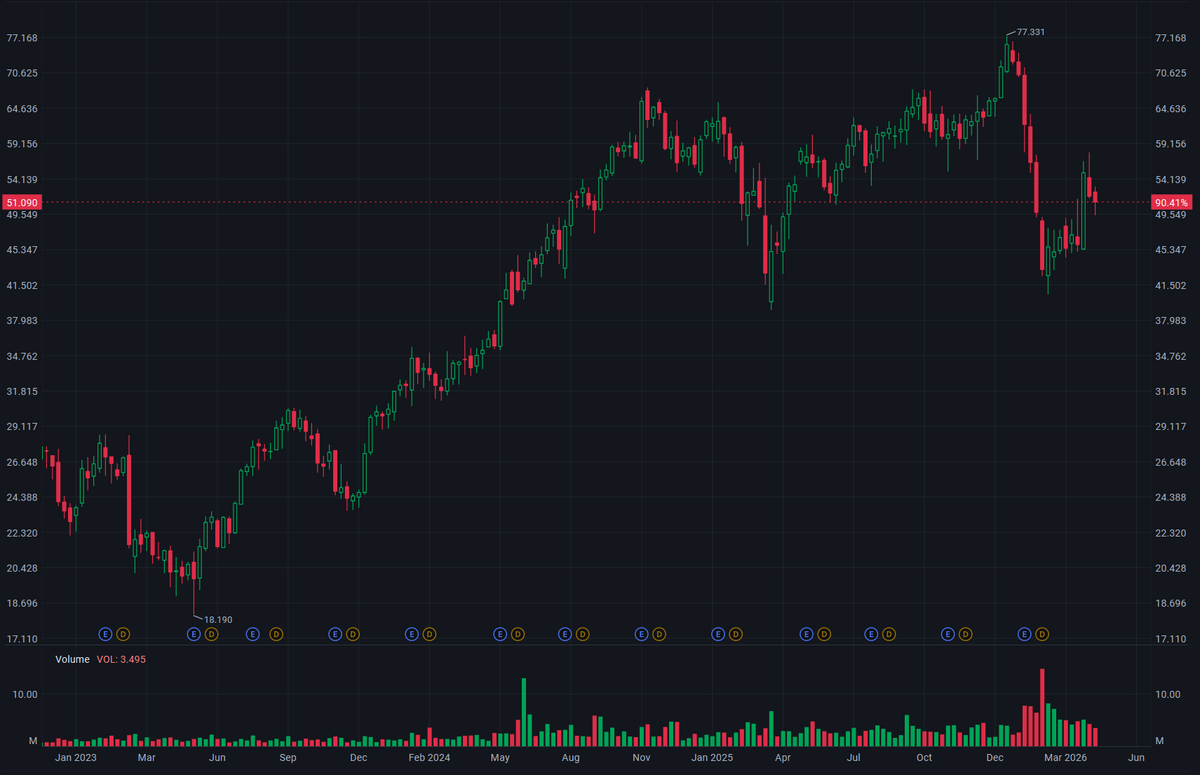
The allegations regarding "Day-one Markups" leveled by short-sellers against Hamilton Lane (HLNE) led me to investigate its competitor, StepStone Group (STEP).
I. Latest Earnings Flash: Explosive Growth & Guidance
According to StepStone’s Q3 FY2026 report (for the period ending December 31, 2025), released on February 5:
- AUM Growth: Total Assets Under Management (AUM) rose to $219.8 billion, up 23% year-over-year.
- Adjusted Net Income (ANI): ANI surged 52% YoY, with Q3 single-quarter EPS reaching $0.65.
- Revenue Scale: Quarterly fee-related revenue reached $241 million (up 26%), demonstrating high fee stability.
- 2026 Guidance: Market consensus expects full-year FY2026 EPS to be around $2.10, with potential growth to $2.60 next year.
- Dry Powder: "Fee-earning AUM yet to be deployed" reached $32.7 billion, up 51% YoY. This indicates that StepStone’s fundraising capability (customer trust) is currently outpacing its investment deployment.
II. The Credibility Contrast
It takes years to rebuild lost credibility, during which time competitors may capture long-term client capital. Maintaining credibility simply requires sticking to one's original principles.
- HLNE: Operates a mixed model of consulting and direct investment. In its evergreen funds, it was accused of using "Day-one Markups" to inflate valuations and collect higher management fees. The short report by Hunterbrook Capital claimed that roughly 1/3 of their valuation gains came from immediate revaluations of purchase discounts rather than actual growth of underlying assets. (While I remain cautious regarding short reports, management’s response that such markups "do not violate regulations" felt like a tacit confirmation of the practice.)
- StepStone:
- SMA Firewall: Approximately 70% of STEP’s capital comes from customized Separately Managed Accounts (SMAs) for large institutions. These giant pension funds have intense independent audit rights; STEP simply cannot play valuation games within these accounts. This 70% of capital is protected by strong audit oversight.
- Alignment of Interest: Unlike HLNE’s hybrid model, STEP acts more as an "outsourced investment office." Its profit motive is built on "buying at a discount for clients" rather than "marking up valuations to collect fees."
- Transparency: In their earnings call, STEP management addressed the valuation controversy head-on. Of the 39% return in their "SPRING" evergreen fund last year, less than 3 percentage points came from secondary market discount markups—the remaining 36 percentage points were actual post-investment returns. This level of transparency is exactly what I, and presumably their clients, like to see.
III. Business Segments & Growth Drivers in a Trillion-Dollar Market
StepStone’s business map precisely hits the two "sweetest" growth areas in private markets:
1. Private Equity Secondaries (Buying at a Discount) In a 2026 exit environment that remains complex, LPs are desperate for liquidity. StepStone uses its world-leading secondary platform to buy high-quality assets at a discount. While others worry about "how to exit," STEP is busy "buying stock at a discount" for its clients.
2. The Wave of Private Asset Democratization (Retailization)
- Retail/HNW Channel: Currently, the average allocation of global individual wealth to private assets (PE, Private Credit, Real Assets) is only about 1% - 5% (often 2% is used as a baseline).
- Institutional Channel: Mature pension funds and endowments typically allocate 15% - 25%.
- The Shift: In 2026, firms like StepStone are lowering the barrier to entry to tens of thousands of dollars via Evergreen Funds (monthly subscriptions, quarterly redemptions). Previously, the entry price was usually $5M+ with 10-year lockups.
- The Logic: If individual wealth allocation moves from 2% to just 5%, trillions of dollars in incremental capital will flood into private markets. This is enough to sustain STEP's growth for the long term.
IV. Valuation: Is STEP Expensive at the Top of the Wave?
As of April 30, 2026, StepStone’s market cap is approximately $6 billion.
- Forward P/E: Approximately 24x - 25x.
- PEG Ratio: Given its earnings growth (20%-25%), the PEG is near 1.0.
- Peer Comparison: While HLNE’s P/E looks lower (around 18x), the market is discounting it for "credit risk" and "inflated growth."
In the financial industry, it is often a "race to the bottom." The firm that maintains its bottom line and remains "relatively less tainted" becomes the long-term choice for clients. With 20% growth and strong industry tailwinds, I am willing to pay a premium for StepStone over Hamilton Lane. As long as their credibility remains intact, this looks like an excellent growth stock.
Risk Watch: Even in the "discounted" secondary market, if the valuations of underlying assets drop significantly, no amount of "purchase discount" can offset the risk of NAV shrinkage. This would hurt STEP's management and performance fees. However, I don't fear a general bear market; as long as the industry room for growth remains, a dip is a buying opportunity.
De la controverse à l'opportunité : Pourquoi je préfère StepStone Group (STEP) à Hamilton Lane (HLNE)
Les accusations de « Day-one Markups » (réévaluations au premier jour) portées par des vendeurs à découvert contre Hamilton Lane (HLNE) m'ont conduit à m'intéresser à son concurrent, StepStone Group (STEP).
I. Flash Résultats : Croissance explosive et prévisions
Selon le rapport du troisième trimestre de l'exercice 2026 de StepStone (clôturé fin 2025), publié le 5 février :
- Hausse de l'AUM : Les actifs sous gestion (AUM) ont atteint 219,8 milliards de dollars, soit une hausse de 23 % sur un an.
- Bénéfice Réel (ANI) : Le bénéfice net ajusté (ANI) a bondi de 52 % sur un an, avec un BPA (EPS) trimestriel de 0,65 $.
- Chiffre d'affaires : Les revenus de commissions ont atteint 241 millions de dollars sur le trimestre (+26 %), affichant une grande stabilité des taux de commission.
- Perspectives 2026 : Le consensus du marché prévoit un BPA annuel d'environ 2,10 $ pour 2026, avec une croissance attendue à 2,60 $ l'année suivante.
- Capital en attente : Le capital "prêt à être déployé" a atteint 32,7 milliards de dollars (+51 %). Cela prouve que la capacité de collecte de fonds de StepStone (la confiance des clients) devance sa capacité actuelle d'investissement.
II. Contraste de Crédibilité
La perte de crédibilité prend des années à se reconstruire, période durant laquelle les concurrents peuvent capter les capitaux à long terme. Pour maintenir cette confiance, il suffit de rester fidèle à ses principes fondamentaux.
- HLNE : Combine conseil et investissement direct. Dans ses fonds « evergreen », la société est accusée d'utiliser les « réévaluations au premier jour » pour gonfler les valorisations et percevoir plus de frais de gestion. Le rapport de vente à découvert d'Hunterbrook Capital affirme qu'environ 1/3 de la plus-value proviendrait de réévaluations immédiates liées aux décotes d'achat, plutôt que de la croissance réelle des actifs. (Je reste prudent face aux rapports de short-sellers, mais la réponse de la direction affirmant que ce n'est pas "illégal" semble confirmer la pratique).
- StepStone :
- Pare-feu SMA (Comptes gérés) : Environ 70 % des fonds de STEP proviennent de comptes personnalisés pour de grandes institutions. Ces clients (fonds de pension géants) disposent de droits d'audit indépendants stricts ; STEP ne peut pas manipuler les valorisations dans ces comptes.
- Alignement d'intérêts : Contrairement au modèle hybride de HLNE, STEP agit davantage comme un « bureau d'investissement externalisé ». Sa motivation de profit repose sur sa capacité à « acheter au meilleur prix pour le client » plutôt que sur des réévaluations artificielles.
- Transparence : Lors de la conférence téléphonique, la direction de STEP a répondu directement à la controverse : sur les 39 % de rendement de leur fonds evergreen "SPRING" l'an dernier, moins de 3 points provenaient des réévaluations de décotes secondaires. Les 36 points restants étaient des rendements réels. C'est cette transparence que j'apprécie, et les clients aussi.
III. Structure de l'activité et relais de croissance
StepStone se positionne sur les deux segments les plus porteurs du marché privé :
1. Le marché secondaire du Private Equity (Achats décotés) Dans un contexte de sortie complexe en 2026, les investisseurs (LP) ont un besoin urgent de liquidités. STEP utilise sa plateforme mondiale pour racheter des actifs de qualité avec une décote. Quand les autres s'inquiètent de « comment sortir », STEP « fait ses courses » à prix réduit pour ses clients.
2. La démocratisation des actifs privés (Retailisation)
- Canal Particuliers/Fortune : Actuellement, l'allocation moyenne du patrimoine mondial des particuliers vers les actifs privés est de 1 % à 5 % (souvent estimée à 2 %).
- Canal Institutionnel : Les fonds de pension et fondations allouent généralement entre 15 % et 25 %.
- L'opportunité : En 2026, des entreprises comme STEP abaissent le ticket d'entrée à quelques dizaines de milliers de dollars via des fonds Evergreen (souscriptions mensuelles, rachats trimestriels), contre 5 millions de dollars auparavant avec des blocages de 10 ans.
- Le potentiel : Si l'allocation des particuliers passe de 2 % à seulement 5 %, cela représente des milliers de milliards de dollars de capitaux supplémentaires. Un gisement suffisant pour soutenir la croissance de STEP à long terme.
IV. Évaluation : STEP est-il cher aujourd'hui ?
Au 30 avril 2026, la capitalisation boursière de StepStone est d'environ 6 milliards de dollars.
- P/E Prospectif : Environ 24x - 25x.
- Perspective PEG : Compte tenu d'une croissance des bénéfices de 20-25 %, le PEG est proche de 1,0.
- Comparaison : Bien que le P/E de HLNE semble plus bas (environ 18x), c'est parce que le marché applique une décote pour son « risque de crédit » et sa « croissance artificielle ».
Avec une croissance de 20 % et le vent en poupe dans le secteur, je suis prêt à payer une prime pour StepStone par rapport à HLNE. Dans la finance, celui qui reste intègre finit souvent par gagner la confiance à long terme des clients. Tant que la crédibilité est là, c'est une excellente valeur de croissance.
Risques à surveiller : Même sur le marché secondaire, si la valorisation globale des actifs sous-jacents baisse, aucune décote à l'achat ne pourra compenser la chute de la Valeur Liquidative (NAV). Cependant, une baisse du marché général ne m'effraie pas ; tant que le potentiel du secteur demeure, une chute est une opportunité d'achat.
对于 Hamilton Lane (HLNE) 被空头指责的 “Day-one Markups”(首日估值调增) 问题把我带到了它的竞争对手StepStone Group(STEP)
最新业绩速递:爆发式增长与年度指引
根据 StepStone 2月5日发布的 2026 财年第三季度报告(截至 2025 年底):
- AUM 增加: 总管理资产(AUM)升至 2198 亿美元,同比增长 23%。
- 真实盈利(ANI): 调整后净利润(ANI)同比涨 52%,Q3 单季 EPS 达到 $0.65。
- 营收规模: 单季费率收入达到 2.41 亿美元(增长 26%),显示出高水平的费率稳定性。
- 2026 年度指引: 市场一致预期其 2026 全年 EPS 将达到 $2.10 左右,且明年有望进一步增长至 $2.60。
公司的“待部署费率资金”达到 327 亿美元,同比增长 51%。这说明 StepStone 的募资能力(即客户对它的信任)已经跑在了它目前的投资部署能力之前。
二、 信用对比
信用的损失需要很多年才能重建,此时对手可能已经赶上吸附了客户的长期资金,信用的保持只需要一直坚持做原来的事就够了。
- HLNE : 既做咨询又做直投,在常青基金中被指控使用“首日调增”来拔高估值、多收管理费。空头机构 Hunterbrook Capital 的做空报告称其约 1/3 的估值增值 来自买入折扣的即时重估,而非底层资产的实际增长(我对做空报告保持审慎观察,但是管理层回应说这种首日调增并不违规,这样子仿佛是确认了公司确实是首日调增了)。
- StepStone :
- SMA(独立账户)防火墙: STEP 约 70% 的资金来自大型机构的定制账户。这些大客户(如巨型养老金)拥有极强的独立审计权,STEP 根本无法在这些账户里玩弄估值游戏。这70%的资金有强审计防护。
- 不同于 HLNE 的“咨询+自营”混合模式,STEP 更多扮演客户的“外包投资部”。它的盈利动机更多建立在“替客户压价买入”而非“调增估值收管理费”上。
- 在财报电话会议中,STEP 管理层正面回应了估值争议——其 Spring 常青基金去年 39% 的回报率中,仅有不足 3 个百分点 来自二级市场折扣调增,其余 36 个百分点 均为投后真实回报。这种透明度是我喜欢的。 我相信也是客户喜欢的。
三、 业务构成与万亿风口下的增长点
StepStone 的业务版图精准踩中了私募市场最肥美的两个增量区:
1. 私募二级市场(Secondaries)的打折买入
在 2026 年退出环境依然复杂的背景下,LP 迫切需要流动性。StepStone 利用其全球领先的二级市场平台,以折价买入优质资产。别人在为“如何退出”发愁时,STEP 在为客户“打折进货”。
2. 私募资产零售化的浪潮
- 散户/高净值渠道: 目前全球个人财富对私募资产(私募股权、私人信贷、实物资产)的平均配置比例确实仅在 1% - 5% 左右(常被取中间值 2% 作为讨论基数)。
- 机构渠道: 成熟的养老金、捐赠基金和主权基金的配置比例通常在 15% - 25% 之间。
2026 年,像 StepStone 这样的公司通过 常青基金(Evergreen Funds)支持每月认购、季度赎回,起投门槛降到了几万美元甚至更低。在以前起步价通常是 500 万美元以上。动辄 10 年的封闭期,让需要随时用钱的个人投资者望而却步。同时法律限制非“合格投资者”接触高风险的私募产品。
填补逻辑: 如果个人财富的配置比例仅从 2% 提升到 5%(甚至还没到机构的一半),就意味着全球将有 数万亿美元 的增量资金涌入私募市场。足够支撑STEP长期增长。
四、 估值研判:站在风口,现在的 STEP 贵吗?
截至 2026 年 4 月30日,StepStone 市值约 60 亿美元
前瞻市盈率(P/E): 约 24x - 25x。
PEG 视角: 考虑到其盈利增速(20%-25%),PEG 接近 1.0。
横向对比: 虽然 HLNE 的 P/E 看起来更低(约 18x),但那是因为市场在对其“信用风险”和“增长水分”进行折价。
在20%的增速和行业风口的加持下,我很愿意为StepStone支付比HLNE更高的估值, 有时候金融行业是比烂,那个相对不烂且坚持底线的,更容易会成为客户的长期选择。只要信用不出问题,行业风口可以让它一直增长,这似乎是个不错的成长股。
风险关注:即使是“打折进货”的二级市场,如果基础资产估值整体下调,再大的“买入折扣”也无法抵消净值缩水的风险,STEP 的管理费和业绩提成会受损。整体熊市的到来不怕,只要行业空间在,下跌是买入机会。
Risk Warning: This post is a result of personal study and does not constitute financial advice. I am currently in the process of learning translation, so there may be inaccuracies in the language used.
Position Disclosure: As of the time of publication, the author holds a position in STEP company. This is the reason I chose to research this topic. The author has no plans to trade this stock within the next 72 hours.